Blog
Don't Be a Drip: Your Guide to Flat Roof Waterproofing
November 9, 2021
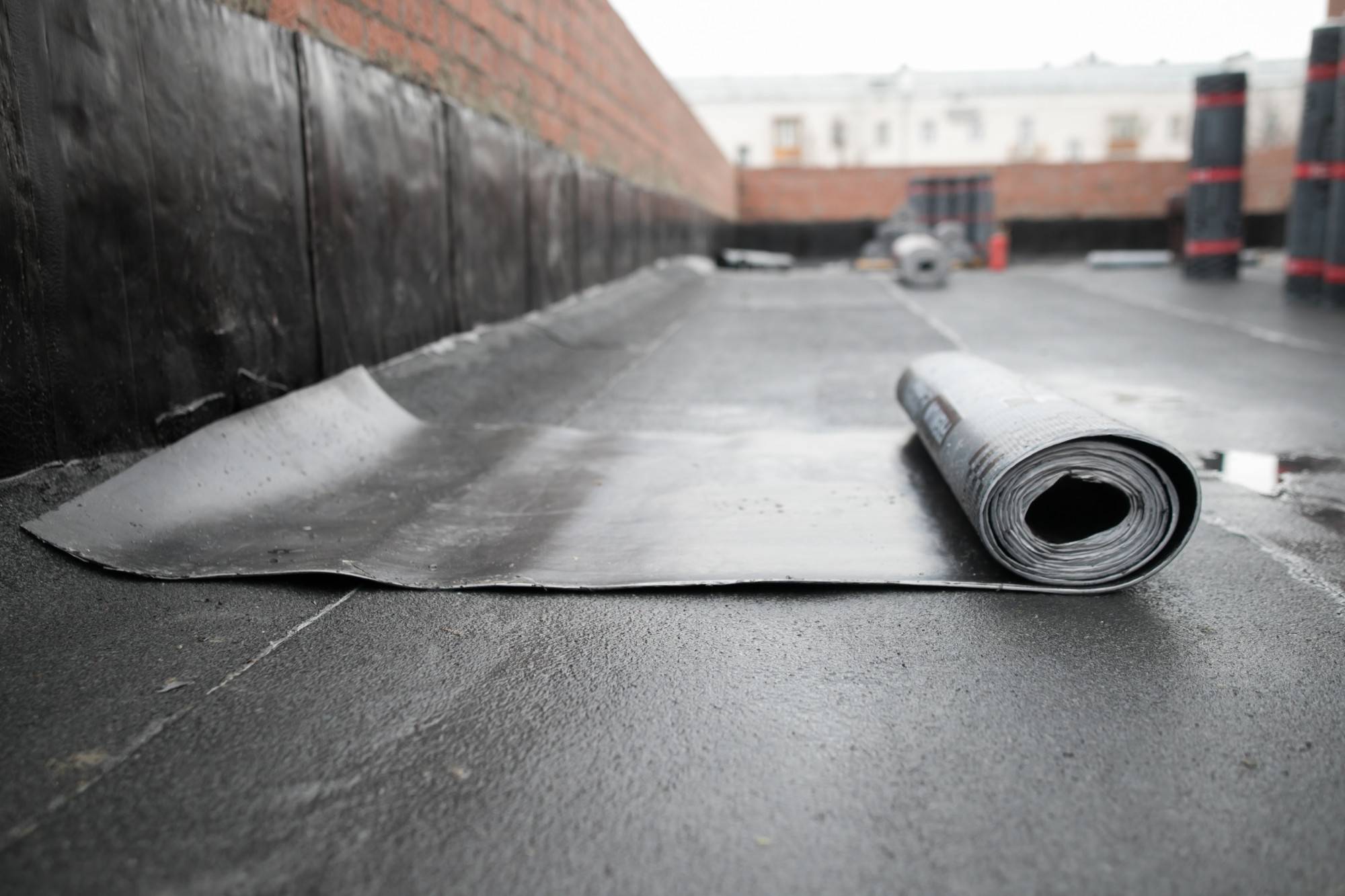
Are you looking after your flat roof?
Your roof is vital in keeping your property safe from the outside elements. But it can only do that if you look after it and keep up with the maintenance. This means flat roof waterproofing, and it can seem daunting to know where to start.
Flat roofs are particularly vulnerable to pooling, leaks, and UV degradation in a way pitched roofs simply aren’t, since there’s no slope helping water run off on its own. That’s exactly why waterproofing matters more here.
It doesn’t have to be, though! Please keep reading for our guide on flat roof waterproofing, so you know what to expect.
Inspecting Your Flat Roof
The first step is to inspect your roof, especially if you’re already experiencing flat roof leaks or you’re worried about them. A single roof leak can cause structural damage and mold growth if it goes unnoticed, so it’s worth catching early.
The good news is that most leaks on flat roofs won’t need a full replacement. Instead, you should be able to get away with patching or repairing the damaged section, as long as you catch minor issues before they turn into major repairs.
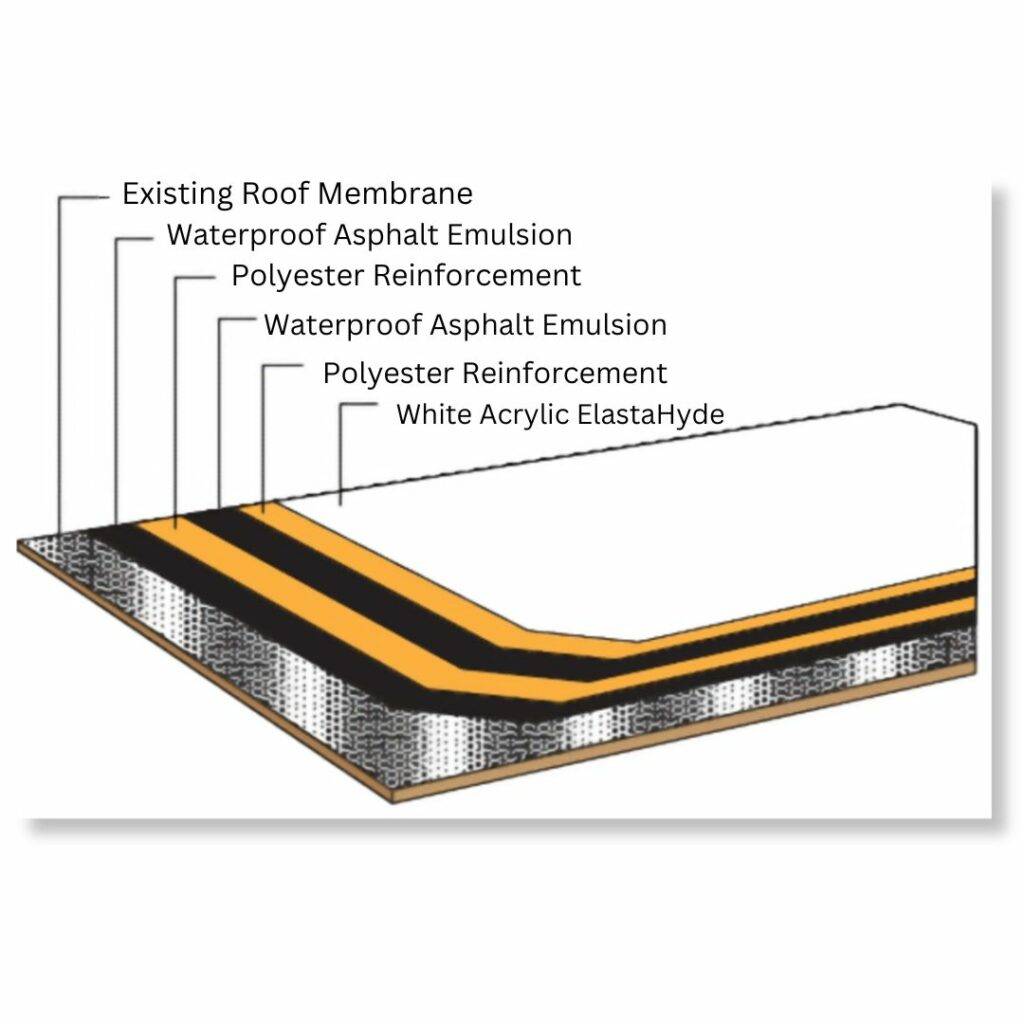
How that patch gets built is what separates a fix that lasts from one that fails by next summer. Liquid coating on its own has no body to it. As one of our crew puts it: “You put a mesh. You put drywall material, you put the mesh, and then you put more drywall material. That’s pretty much the patch we do. If you just put liquid material onto something, it needs something to conform to. There’s no shape to it. Eventually gravity’s gonna pull it down.” That’s why HP Roofing Pro embeds polyester fabric into the wet emulsion before top coating, the same reinforcement principle behind the seamless system coating It gives the roof membrane a structure to hold onto instead of slumping off the repair.
The tricky part is finding the leak in the first place. Water penetration rarely shows up where it started. You’ll need to poke around inside and out to locate potential leak points. Once you find the drip, measure the distance from the wall. You can then use that to find it on top of your roof once you’re up there.
When waterproofing a roof or inspecting it, make sure your flat roof surface is safe to walk on. Foot traffic on a compromised membrane can make existing cracks and structural damage worse, so secure your ladder before you attempt to climb up there. If you’re unsure, it’s always best to call a professional roof contractor.
In most cases, professional roof waterproofing is the way to go unless you know what you’re doing. A professional knows the range of waterproofing solutions available and can find the right one for your roof, rather than guessing at a single fix.
How to Spot Flat Roof Damage
First, look for any apparent holes or cracks. While this is uncommon, it can cause significant damage to your flat roof and your property’s structure. Water can enter through small defects in the roof covering long before you ever see a drip inside, which is why regular visual checks matter as much as reacting to an active leak. Here are some other signs you should be looking for.
Blisters
Blistering happens as pockets of trapped air or hidden moisture form under the flat roof’s surface. A poorly sealed membrane can trap moisture beneath it, and that trapped moisture expands and gets more prominent as the weather warms.
While they’re not nice to look at, it’s sometimes better to leave them alone if they haven’t burst. If they do burst, you’ll need to patch them fast. Otherwise, they provide a point of entry for water infiltration into your building, and you want to avoid this.
Standing Water and Pools of Water
This is an issue if you see water pooling on your roof surface for more than two days after the last rain. Ponding water is one of the clearest signs your flat roof can no longer shed water as it should, and it’s one of the fastest ways to accelerate membrane deterioration if it’s left alone.
The climate in Los Angeles can make standing water hard to notice until it’s too late. You should check your roof between December and February, when the temperature is lower and rain is more likely to expose drainage problems.
Alligatoring
Alligatoring is where debris, water, or UV exposure causes cracks on your membrane surface. It almost looks like the hide of an alligator, hence the name.
To fix it, you’ll need to re-waterproof your flat roof. If not, the small cracks will get deeper and turn into real structural deterioration, becoming a huge source of stress and expense for property owners.
Flat Roof Maintenance: Why It’s Important
With flat roofs, standing water is a big issue, since rain can gather all across the surface instead of running off the way it does on sloped roofs. If the drainage gets blocked or the roof surface starts to sag, the pooling issue can worsen and water remains trapped for far longer than it should.
If left ignored, pools of water can cause water damage to the protective membrane on your flat roof and lead to costly repairs down the line. Keeping your gutters clean and having proper drainage with the correct gradient for your flat roof is essential to protect the membrane underneath.
A brush should be enough to remove most debris from your gutters and roof. If you have algae or moss that proves more stubborn, you can also use a pressure washer to loosen and wash it away.
Keeping gutters and roofs clean, paying close attention to areas prone to pooling, and scheduling regular inspections can help prevent water from ever becoming a bigger problem.
How To Waterproof Your Flat Roof
Several factors determine what waterproofing method you use. These include:
- Roof size
- Budget
- Type of structure
- Local environment
- Condition of the existing roof
Every method here falls into one of two broad categories: a waterproof coating applied directly onto the existing roof surface, or a waterproof membrane installed as its own layer. Usually, you’ll have a choice of three main types of waterproofing for flat roofs: liquid waterproofing, reinforced bitumen membrane, and single-ply membrane. The right choice depends on your roof’s age, slope, and how much foot traffic or severe weather it typically takes on.
Liquid Waterproofing with Acrylic Coating
This involves applying an Acrylic coating that weatherproofs your flat roof. Acrylic is a water-based elastomeric coating that’s also commonly used on sloped roofs. It’s the cheapest type of elastomeric coating, but it’s also very durable. Acrylic roof coating is a popular waterproofing solution for flat roofs and sloped roofs alike, thanks to its combination of durability, UV resistance, and easy installation. At HP Roofing Pro we use Acrylic Roof Coating Products with the coating system.
Silicone coatings are another option worth knowing about. They tend to offer stronger chemical resistance and hold up especially well in areas with standing water, though they typically cost more upfront than acrylic coatings. Which one makes sense usually comes down to your roof’s exposure to ponding water versus your budget.
The seamless coating system is a commercial roofing system designed to be lightweight, high-performance, and sustainable. It combines the best features of single-ply and built-up systems into one long-term waterproofing solution. The three essential components are waterproofing with asphalt, reinforcement with lightweight stitch-bonded polyester, and reflectivity with a two-phase acrylic elastomeric surfacing that ensures long-lasting protection against UV exposure and the sun’s heat, making the system almost completely UV inert and highly durable. This also supports energy efficiency, since the reflective surface reduces how much heat transfers into the building below. With proper maintenance, the seamless coating system can last beyond the building’s lifespan.
If done right, it can last between 20 and 40 years. This depends on the product applied, how it’s installed, and how well you maintain your roof afterward. Some examples are fleece liquid and fiberglass liquid systems.
Reinforced Bitumen Membranes (RBM)
The most common type of waterproofing people use for flat roofs is RBM. The process involves bonding 2 to 3 layers of membrane across the whole roof surface, whether that’s traditional bitumen or modified bitumen, which combines asphalt with modern polymers for better flexibility and weather resistance.
The installer uses a polyester carrier with a coating to create the roof membrane. To attach this waterproofed bitumen, hot bitumen is poured at the front to seal the roof’s edges, though cold adhesives, self-adhesive methods, and gas torches are also used depending on the roof. A professional installer will find a suitable way for your roof and its vulnerable areas.
Single-Ply Membranes
Single-ply membranes are a common option for large residential properties and commercial buildings alike. Sheets fit across the whole roof surface, and they’re installed over wood, steel, or concrete roof decks by ballasting, adhesion, or fastening, whichever suits the structure best.
The most common single-ply materials are thermoplastic polyolefin (TPO), polyvinyl chloride (PVC), and ethylene propylene diene monomer (EPDM), a synthetic rubber membrane known for its flexibility and long service life. TPO membranes are known for their energy efficiency and reflective surfaces, and along with PVC, these reflective materials help reduce cooling loads in hot climates like Southern California’s. Thermal performance is crucial for flat roofs, since they’re exposed to direct sun all day and go through bigger temperature changes than a shaded, angled roof would. PVC membranes also offer excellent chemical resistance, which matters if your property deals with restaurant exhaust, industrial runoff, or other harsh chemical exposure. TPO and PVC sheets are typically joined with heat welded seams, which create a continuous, watertight roof covering with far fewer potential leak points than older methods. EPDM is usually installed with adhesives or mechanical fasteners instead.
Plastic fasteners screw into the single-ply membrane to attach it to the roof deck. Stone ballasts sit on top of the sheets, holding them stable without penetrating the membrane at all. The adhesion method uses polyurethane to secure the single-ply membrane and the insulation beneath it.
Choosing Between Repair and Full Replacement
Not every issue calls for tearing off the existing roof. Minor issues, like a blister, a small crack, or an isolated patch of ponding water, are usually cost effective to repair and don’t require full replacement.
Full replacement tends to make more sense once you’re seeing structural deterioration across multiple layers of the roof system, repeated leaks in different spots, or a membrane that’s simply past its service life. At that point, another patch isn’t a long term solution, it’s just delaying the inevitable. Regular inspections are the best way to catch problems while they’re still minor issues rather than costly repairs, keeping repair costs predictable and helping property owners budget for maintenance instead of getting hit with an emergency bill after severe weather events.
Flat Roof Waterproofing Made Easy
So, there you have it! Now you know your flat roof waterproofing options, you’ll surely pick the right one.
But the key is keeping up with your maintenance once you’ve waterproofed your flat roof. Keeping the rain draining away is hard, so you must clear your gutters. A few maintenance tips worth repeating: do regular checks, keep drainage clear, and watch for your roof showing signs of struggle before they turn into structural damage.
Contact us today if you’re looking for professional flat roof waterproofing in Los Angeles. At HP Roofing Pro, we’ve got the skill and knowledge to suit all your flat roof needs.